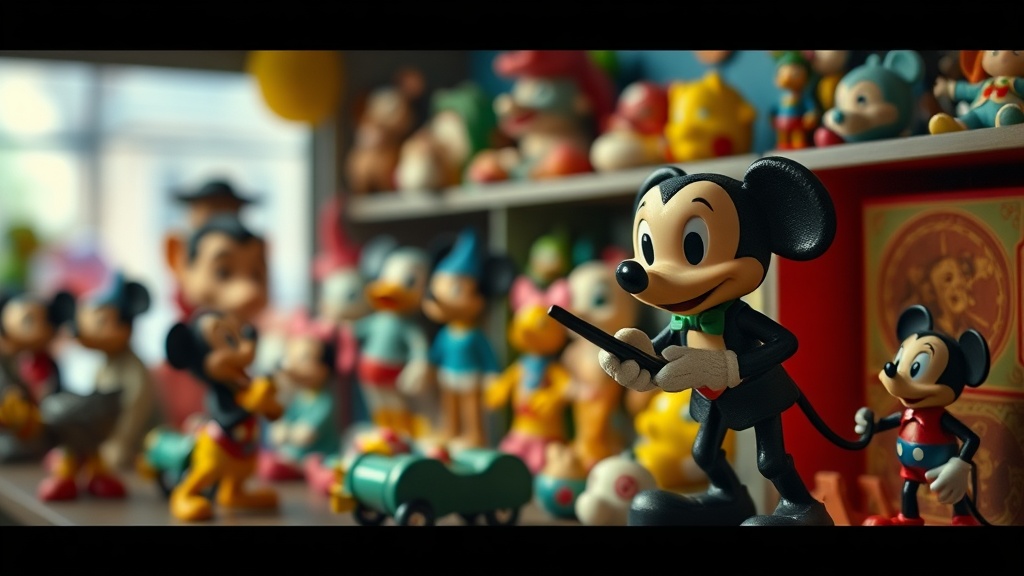
Vintage Toy Hunting Tips for Finding Rare Disney Gems

Check the Packaging Integrity
Look for Authentic Brand Marks
Inspect Joints and Paint Detail
Have you ever walked into a dusty thrift store or scrolled through an estate sale listing only to realize you missed a rare Kenner Star Wars figure by just a few dollars? Finding high-value vintage Disney and pop culture items requires more than just luck; it demands a specific set of scouting skills and a deep understanding of how collectors value certain production runs. This guide breaks down the practical methods for identifying high-value pieces, where to look beyond the obvious marketplaces, and how to spot authentic vintage items versus modern reproductions.
Where Can I Find Rare Disney Vintage Items?
The best places to find rare Disney items are often non-traditional retail environments like estate sales, local flea markets, and specialized antique auctions. While everyone looks at eBay, the real gems are frequently tucked away in local shops where the owner might not realize a 1977 Kenner Boba Fett is worth a premium. You aren't just looking for a "Disney toy"; you're looking for specific eras of production.
Estate sales are a goldmine for collectors. People often sell off entire collections of "old toys" without checking the specific manufacturer or the condition of the packaging. You might find a box of vintage 1980s Disneyana—think old Aladdin or Little Mermaid merchandise—that has been sitting in an attic for decades. It's a high-risk, high-reward way to build a collection. If you see a box labeled "old dolls" or "Disney stuff," don't walk past it. That's where the profit lives.
Flea markets and swap meets are another heavy hitter. These locations offer a lower barrier to entry than high-end auction houses. You can often haggle with vendors who are more interested in moving inventory than maximizing a single sale. This is especially true in the Midwest—I've found some incredible pieces at local Detroit-area flea markets that would have been double the price online. Just be prepared to spend a lot of time digging through bins.
Don't ignore the digital "junk" pile. Searching for misspelled terms on auction sites is a classic move. For example, searching for "Disney action figure" might get you the top results, but searching for "Disney 1980s toy" or even slightly misspelled names can lead you to unlisted gems. It's about being a bit of a detective.
Keep an eye on specialized forums and community-driven sites. Sites like Disneyana encyclopedias or collector-specific wikis can give you the exact names of rare production runs. If you know the specific name of a limited edition release, your search becomes much more surgical.
How Do I Tell if a Vintage Figure is Authentic?
To determine authenticity, you must examine the manufacturer marks, the material weight, and the specific paint applications characteristic of that era.
Check the bottom or the back of the figure for embossed text. Original Kenner Star Wars figures or vintage Disney plush toys will almost always have a copyright date and a manufacturer name stamped into the material. If the text is blurry or feels shallow, proceed with caution. High-quality modern "repro" pieces can be incredibly deceptive, but they often fail the "smell test" or the "weight test."
Look at the joints and the paint. Vintage toys often have a certain level of "character"—minor paint rubs or slightly imperfect assembly—that modern, mass-produced items lack. If a "vintage" item looks absolutely pristine with perfect, high-gloss paint, it might be a modern "collector edition" rather than a true vintage piece. This is a common mistake for new collectors.
The Authenticity Checklist:
- The Stamp Test: Look for the embossed copyright year (e.g., © 1977 or © 1984).
- The Material Weight: Authentic vintage plastic has a specific density; if it feels hollow or "toy-like" in a cheap way, it's a red flag.
- The Paint Application: Look for slight imperfections in the eyes or hand-painted details that define the era.
- The Packaging: If the item is "Mint in Box," check the cardboard thickness and the glue type used on the seals.
Once you've identified a genuine piece, you need to protect it. A single mistake in storage can tank the value of a rare find. For instance, if you find a high-end figure, you'll want to ensure you're selecting the right acrylic case to prevent environmental damage. A cheap plastic bin won't cut it for a high-value item.
What Should I Look for When Buying Online?
When buying online, prioritize high-resolution photos of the actual item over stock photos and always read the "Condition Description" with extreme scrutiny. A seller might list an item as "Vintage Disney Toy," but that doesn't mean it's in good shape. You need to know if there are broken limbs, faded colors, or if the original packaging has been "re-sealed" with modern glue.
The biggest pitfall in online collecting is the "Stock Photo Trap." Many sellers use a professional image of a perfect item to sell a beat-up, actual product. Always demand or look for photos of the *actual* item in the listing. If the seller only provides one photo and it's a generic shot, move on. It's not worth the headache. This is especially true for much-coveted items like vintage Disney porcelain or high-end action figures.
Pay attention to the "Shipping and Handling" sections. If you're buying a fragile vintage item, a seller who doesn't mention protective packaging is a huge red flag. You don't want your rare find arriving in a thin bubble mailer. It's better to spend an extra five dollars on a seller who clearly understands the fragility of collectibles. A well-packaged item is worth the extra cost.
Here is a quick comparison of what to look for when buying at different price points:
| Price Tier | Primary Focus | Common Red Flag |
|---|---|---|
| Low ($10-$50) | General condition and completeness. | Missing parts or broken joints. |
| Mid ($50-$200) | Authenticity and original packaging quality. | Repainted details or "re-sealed" boxes. |
| High ($200+) | Provenance, exact production run, and grade. | Generic stock photos and vague descriptions. |
One thing to remember: if a deal looks too good to be true, it probably is. If someone is selling a "rare" piece for a fraction of the market value, it's likely either a reproduction or a scam. Use sites like eBay to check "Sold Items" rather than just looking at "Current Listings." The "Sold" price is the only real indicator of what a piece is actually worth. Current-listing prices are just wishes; sold prices are reality.
If you manage to secure a high-value piece, make sure you treat it right from day one. I've seen too many collectors ruin a beautiful display by using the wrong lighting or improper storage. After you've successfully hunted your prize, you might want to look into choosing the best lighting for your shelves to ensure your display looks as professional as possible.
The hunt is half the fun, but the knowledge is what makes the payoff. Keep your eyes sharp, your eyes peeled for those small manufacturing details, and never stop digging through the bins. The next great find is usually hiding in plain sight.