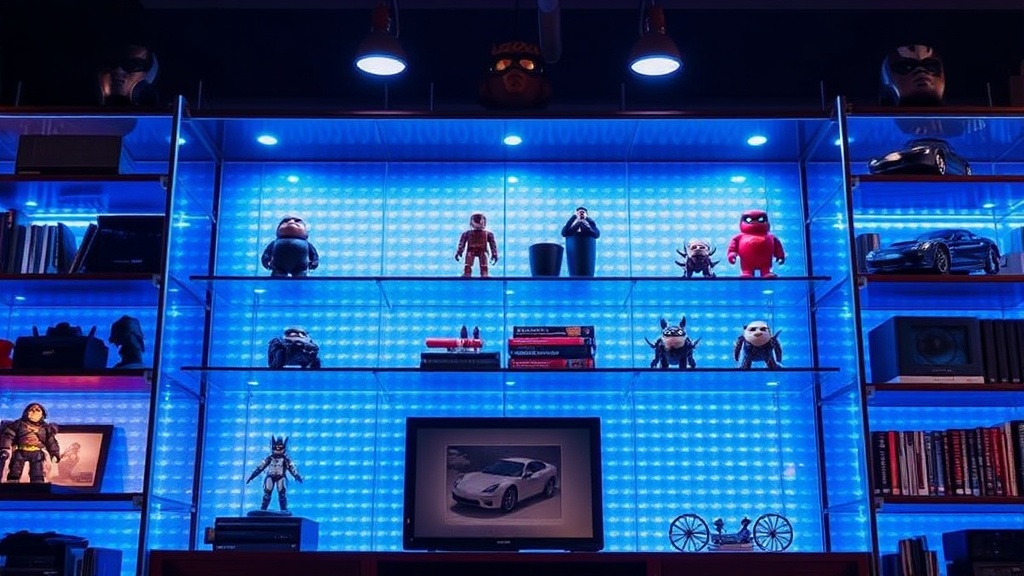
Choosing the Best Lighting for Your Collector Shelves

A single spotlight hits a high-end Hot Toys figure, catching the metallic sheen of a Mandalorian helmet. A soft glow illuminates the translucent edges of a Disney LEGO Star Wars UCS Millennium Falcon. Without the right light, these pieces look flat, dusty, and forgotten. Lighting isn't just about visibility; it's about making your collection look like a museum-grade display rather than a pile of plastic on a shelf. This guide breaks down the different types of lighting setups, the dangers of UV exposure, and how to choose the right gear for your specific collectibles.
What Type of Light is Best for Collectibles?
LED (Light Emitting Diode) lighting is the best option for collectors because it produces minimal heat and lacks harmful UV rays. Most modern collectors use LED strips or puck lights to avoid the heat-related issues that come with incandescent bulbs. If you're displaying delicate items like vintage action figures or painted statues, heat is your enemy. It can soften plastics or even cause paint to peel over time.
LEDs are the gold standard for a few reasons:
- Low Heat Output: They won't bake your figures or warp your acrylic cases.
- Energy Efficiency: You can leave them on for longer periods without a massive power bill.
- Longevity: They last much longer than traditional bulbs, which is great for permanent displays.
- Color Accuracy: High-CRI (Color Rendering Index) LEDs make colors pop just like they do in the movies.
If you're using high-end displays, you might want to look into dedicated LED technology to ensure your light spectrum is wide enough to show true colors. It's a small detail, but it makes a huge difference when you're trying to show off the vibrant blues of a Disney Princess dress or the weathered textures of a Star Wars prop.
That said, don't just grab the cheapest strip lights you find at a big-box store. Cheap LEDs can sometimes have a flickering frequency or a strange green tint that makes your collection look "off." You want a light that stays consistent.
How Much Light Should You Use for Display Cases?
The ideal amount of light is enough to provide clear visibility without causing glare or heat buildup. You want to aim for a balanced look where the subject is clearly defined, but the background isn't washed out. Too much light causes "hot spots" on glossy surfaces like Funko Pops or polished resin statues, while too little makes your collection look dingy.
Think about the "layering" of light. You don't want one giant light source hitting everything at once. Instead, use different levels of light to create depth. This is often called "accent lighting."
Here is a quick breakdown of lighting styles for different types of collections:
| Display Type | Recommended Light Style | Primary Goal |
|---|---|---|
| Action Figure Shelves | LED Strip Lights (Top/Front) | Highlighting textures and details |
| Lego/Brick Sets | Puck Lights or Spotlight | Defining shapes and geometry |
| Acrylic Display Boxes | Subtle Base Lighting | Preventing glare on the plastic |
| Large Statues/Sideshows | Directional Spotlights (3-point lighting) | |
When you're working with acrylic, you have to be careful. If you place a light too close to the edge, the light might refract in a way that creates a blinding glare. This is why selecting the right acrylic case is just as important as the light itself. The material dictates how that light behaves once it hits the surface.
Does Light Damage My Collection?
Yes, certain types of light—specifically UV light and high heat—can cause permanent damage to your collectibles. Sunlight is the biggest offender, as it contains high levels of UV radiation that break down chemical bonds in plastics and pigments. This leads to "sun bleaching," where your vibrant red lightsaber turns a dull pink or your bright Disney colors fade into a pale version of themselves.
Even if you aren't using direct sunlight, even indoor lighting can be an issue if it's constant. Heat is another factor. If you have a shelf packed with figures and a heat-generating light source right above them, you're asking for trouble. Heat can cause "shelf lean" in certain types of vinyl or even make the plastic feel tacky. If you're worried about environmental factors, you might also want to avoid humidity damage for your Star Wars LEGO sets, as heat and moisture often go hand in hand.
To protect your investment, follow these rules:
- Avoid Windows: Never place your display case directly in the path of sunlight.
- Use UV Filters: If you have a glass-enclosed cabinet, use UV-filtering film or glass.
- Check the Temperature: Feel the top of your shelf after the lights have been on for an hour. If it's warm, the light is too close.
- Go LED: As mentioned, LEDs are much safer for long-term exposure.
It's a bit of a balancing act. You want the lights on so people can actually see the cool stuff you've bought, but you don't want to destroy the value of the items in the process. I've seen many collectors lose the "pop" of their collections because they used cheap, high-heat halogen bulbs that eventually scorched the paint on their figures.
Understanding Color Temperature
When you're shopping for lights, you'll see numbers like 2700K, 4000K, or 6500K. These represent the Kelvin scale, which tells you how "warm" or "cool" the light is. Choosing the wrong one can change the entire vibe of your room.
Warm Light (2700K - 3000K): This has a yellowish, cozy feel. It's great for a "moody" look, perhaps for a vintage Star Wars display or a more classic, cinematic aesthetic. It feels a bit more "homey" and less like a sterile laboratory.
Neutral White (4000K): This is the middle ground. It's clean and bright without being harsh. This is probably the safest bet for most general collections because it shows colors accurately without making things look too blue or too yellow.
Cool White/Daylight (5000K - 6500K): This is a very crisp, bluish light. It’s excellent for showing off high-tech or sci-fi items, like a Gundam model or a modern Marvel figure. However, it can feel a bit "cold" if used for an entire room's lighting.
If you're a serious collector, I'd suggest buying a small, inexpensive light tester or just checking the packaging for the Kelvin rating. You don't want to end up with a display that looks like a hospital wing when you were aiming for a cozy corner of a galaxy far, far away.
One thing to keep in mind is the "indirect" approach. Instead of pointing a light directly at a figure's face, try pointing it at the back of the shelf. This creates a silhouette effect or a soft glow that illuminates the whole area without the harsh shadows. It makes the collection look more integrated into the room and less like a bunch of objects sitting under a spotlight.
Don't forget about the cables. A well-lit shelf looks terrible if there's a mess of black wires dangling in front of your favorite piece. Use cable clips or even small pieces of clear tape to run your wires along the edges of the shelves. If you're using LED strips, try to hide them behind a lip or a trim. A clean look is just as important as the light itself.