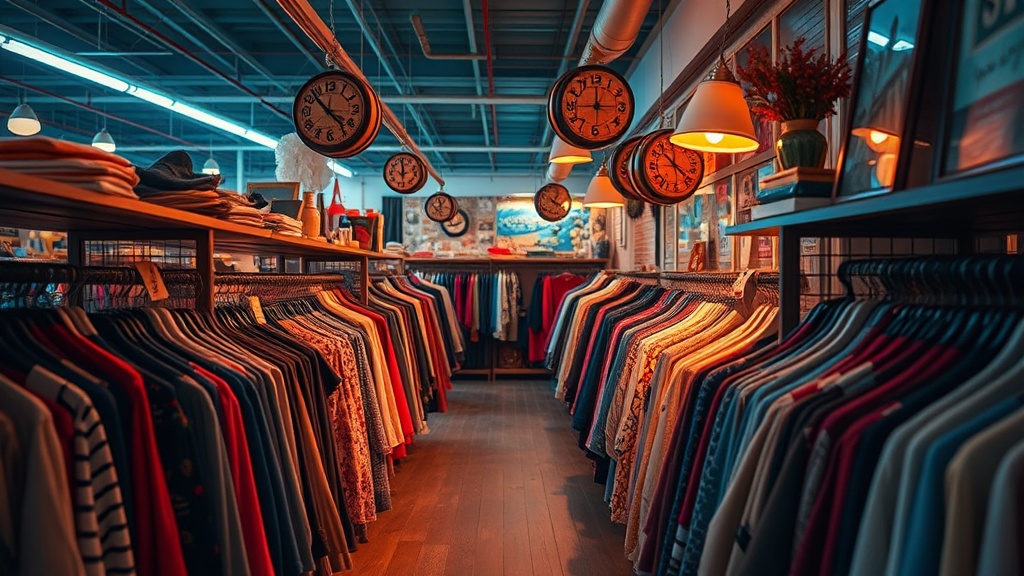
Finding Hidden Gems in Local Thrift Stores

Most collectors assume that finding high-value Disney or pop culture items requires scouring specialized auction sites or high-end collector forums. That's a mistake. Real treasure often sits in plain sight at local thrift stores, charity shops, and garage sales, frequently mislabeled or undervalued by the people stocking the shelves. This post breaks down the specific strategies for identifying high-value pop culture items in non-specialized environments, the red flags to watch for, and how to verify authenticity on the fly.
How Do I Spot High-Value Disney Items in Thrift Stores?
You can spot high-value Disney items by looking for specific manufacturer marks, production years, and material quality. Many people walk right past a vintage 1980s Disney porcelain figurine because they think it's just a cheap ceramic piece. They aren't looking for the subtle hallmarks on the bottom of the base or the specific branding that identifies it as a limited edition piece.
When you're scanning the shelves, don't just look for the big logos. Look for the subtle ones. A vintage Kenner Star Wars figure might not have a giant "Star Wars" sticker on it, but the sculpt and the paint job will tell you everything you need to know. If you see a figure with a slightly different color palette or a unique mold, it might be a rare variant.
Watch for these specific categories of high-value thrift finds:
- Vintage Disneyana: This includes items like original 1950s-70s pins, porcelain figurines from the Disneyana collection, or even vintage wayfinder items.
- Star Wars Kenner Figures: The holy grail for many. Look for the "Double Telescoping" lightsaber versions if you're feeling lucky (though they are incredibly rare).
- Studio G_hibli Merchandise: Often found in the "animation" or "toy" sections, these can be highly collectible if they are original Japanese imports.
- Limited Edition Disney Parks Items: These are often tucked away in the home decor section rather than the toy section.
It’s helpful to keep a mental checklist of what "quality" looks like. A cheap plastic toy feels light and hollow. A high-end collectible, even an older one, usually has a certain weight and a more refined finish. If you find something that looks suspiciously well-made, it’s worth a closer look.
If you find a high-end item that is slightly damaged, don't panic. Sometimes a little bit of care can fix it. For instance, if you find a collectible with a damaged box, you should know how to handle box preservation without making things worse with bad adhesives.
What Should I Look for to Identify Authentic Collectibles?
Authenticity is verified by checking manufacturing marks, material consistency, and the presence of official copyright notices. Most legitimate pop culture merchandise will have a small, printed copyright notice or a manufacturer' 19XX mark—usually on the foot, the back, or the bottom of the item. If that mark is missing or looks like it was scratched off, proceed with extreme caution.
One of the biggest issues in the thrift scene is the "bootleg" or "knock-off." These are much harder to spot if you aren't paying attention. A fake Star Wars figure might look almost identical to the real thing, but the plastic texture is often off—it might be too shiny or too matte. The paint applications on a bootleg are usually messy, with visible seams or uneven colors.
Here is a quick comparison of what to look for when distinguishing between a genuine vintage item and a modern reproduction or bootleg:
| Feature | Genuine Vintage Item | Modern Bootleg/Replica |
|---|---|---|
| Copyright Marks | Crisp, clearly printed or embossed. | Blurry, missing, or looks "stamped" on. |
| Plastic Quality | Consistent weight and texture. | Often feels light, "cheap," or brittle. |
| Paint Application | Clean lines, even coverage. | Bleeding colors, visible brush strokes. |
| Packaging | Original cardstock/plastic integrity. | Often generic or lacks branding. |
Don't forget to check the weight. A real metal-based collectible or a high-quality resin statue will feel significantly heavier than a plastic imitation. This is a quick way to tell if you've found something special or just a piece of junk. (And yes, carry a small digital scale in your bag if you're a serious hunter—it's a total pro move.)
If you do find a legitimate piece, you'll want to display it properly. Knowing how to display your finds ensures that your new treasure doesn't end up damaged by poor storage or bad lighting.
How Much Should I Pay for Thrifted Collectibles?
You should pay based on the current market value found on sites like eBay or specialized collector databases, not the price the thrift store has set. Thrift stores often price things arbitrarily—a $500 vintage toy might be sitting in the $4.99 bin because the clerk didn't recognize it. Always do a quick search on your phone before you even reach the register.
The goal is to find the "gap" between the thrift store price and the actual market value. If a store is selling a Disney Parks limited edition pin for $2.00, and it's worth $30.00 online, that's a win. But if the store has already priced it at $25.00, the profit margin is much thinner. You're essentially buying at retail price, which isn't a "find" anymore.
Here's the thing: don't be afraid to negotiate if you're at a garage sale or a flea market. Thrift stores (the big corporate ones) usually have fixed prices, but local charity shops or individual sellers are often willing to bundle. If you see three items you want, ask if they'll give you a discount for buying all three. It works.
Keep these three rules in mind for your budget:
- Check "Sold" Listings: Don't look at what people are *asking* for an item on eBay; look at what people have actually *paid*. This is the only true indicator of value.
- Factor in Shipping/Fees: If you're buying a piece to flip, remember that shipping a fragile item can eat your profits.
- The "Joy" Factor: If you're buying for your own collection, the "value" is also subjective. If it makes you happy and fits your budget, buy it.
A lot of people get caught up in the math, but don't let it ruin the hunt. The thrill of finding a rare piece of pop culture history in a pile of old books and mismatched plates is half the fun. Even if you don't make a huge profit, the experience of the hunt is what keeps the community alive. I've spent hours in dusty basements in Detroit just looking for a single piece of a set, and I'd do it all over again.
Before you head out, make sure you have a plan for your new acquisitions. Once you bring a treasure home, you'll need to think about how to showcase it. Check out my guide on choosing the right lighting to make sure your new find looks its best in your display case.