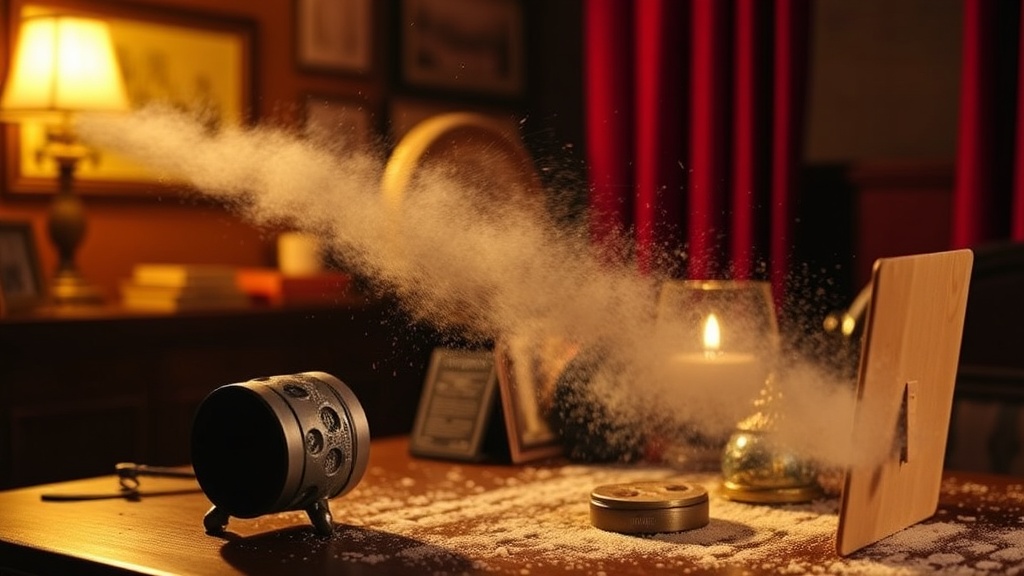
Ways to Clean Dust from Delicate Movie Memorabilia

Using Soft Brushes for Small Crevices
The Microfiber Cloth Method
Compressed Air Safety Precautions
A single microscopic particle of dust can act like a tiny piece of sandpaper, microscopically scratching the surface of a high-gloss collectible every time it settles. This post covers the specific methods and tools you need to remove dust from fragile items—ranging from vintage Star Wars figures to high-end Disney porcelain—without causing permanent damage. We'll look at the right brushes, the safest liquids, and the exact way to handle delicate surfaces to keep your collection looking showroom-ready.
How Do I Clean Dust from Action Figures and Funko Pops?
The safest way to clean dust from action figures and Funko Pops is to use a soft-bristled brush or compressed air to avoid scratching the paint.
Most collectors make the mistake of grabbing a damp cloth. That's a bad move. A damp cloth can trap grit against the plastic, essentially grinding it into the paint. If you're dealing with a high-end piece—say, a limited edition Marvel Legends figure—you want to be incredibly gentle.
Here is the standard toolkit for a safe cleaning session:
- Soft Makeup Brushes: These are perfect for getting into the crevices of a figure's armor or hair.
- Compressed Air: Use short, controlled bursts. Don't hold the nozzle too close to the figure.
- Microfiber Cloths: Only use these for large, flat surfaces like the base of a statue.
- Anti-Static Brushes: These help prevent the dust from immediately jumping back onto the figure.
If you have a figure with a lot of intricate detail, a standard paintbrush might be too stiff. I usually reach for a clean, synthetic eyeshadow brush. It’s soft enough that it won't leave micro-scratches on the finish. It's a small detail, but it matters for long-term value.
If the dust is actually "sticky" (which happens with some older plastics), don't reach for the Windex. You might want to check the properties of PVC and plastic to understand why certain chemicals can melt or cloud the surface. Stick to dry methods whenever possible.
What Is the Best Way to Clean Display Cases?
The best way to clean display cases is to use a dry microfiber cloth for glass or acrylic, followed by a specialized cleaner only if absolutely necessary.
If you're using acrylic cases to protect your items, you have to be careful. Acrylic scratches much easier than glass. If you use a paper towel, you're basically sanding the case. I've seen way too many collectors ruin a perfectly good display case because they used a cheap paper towel or a rough rag.
It's also worth noting that if you're storing high-end pieces, you should already be selecting the right acrylic case to minimize the frequency of cleaning. A well-sealed case means you aren't fighting a losing battle against the air every week.
| Material | Best Use Case | Risk Level |
|---|---|---|
| Microfiber Cloth | Glass display shelves | Very Low |
| Makeup Brush | Intricate figure details | Low |
| Compressed Air | Hard-to-reach crevices | Medium (Watch pressure) |
| Paper Towel | Avoid using on collectibles | High (Scratches surface) |
When cleaning the exterior of a case, always wipe in one direction. Circular motions often trap dust and spread it around. Work from the top down. This ensures that any dust you knock loose falls to the base rather than onto your freshly cleaned surface. It’s a simple trick, but it saves a lot of time.
Can I Use Liquids to Clean Movie Memorabilia?
You should only use liquids on non-porous, hard surfaces like glass or heavy resin, and never on paper or fabric items.
This is where things get dangerous. If you have a vintage movie poster or a lobby card, a single drop of water can ruin it. Even a "light" dampness can cause the ink to bleed or the paper to warp. If you're looking into protecting your lobby card sets, you'll know that moisture is the enemy.
For resin statues or heavy porcelain, a slightly damp—not wet—microfiber cloth is usually fine. But if the item has a "matte" finish, be extremely careful. Matte finishes are often a thin coating that can be easily rubbed off by moisture or friction.
If you absolutely must use a liquid to remove a smudge on a hard plastic surface, use distilled water. Tap water contains minerals that can leave white spots or "ghosting" once it dries.
Here is a quick checklist for liquid-based cleaning:
- Check the material first (Is it porous? Is it painted?).
- Use a damp cloth, not a dripping one.
- Test a tiny, inconspicuous area first (the bottom or back).
- Dry the area immediately with a fresh cloth.
I once saw a guy try to clean a vintage Star Wars Kenner figure with a Q-tip dipped in rubbing alcohol. He ended up stripping the paint right off the helmet. It was a heartbreak to watch. Alcohol is a solvent, and many paints used on collectibles are not alcohol-resistant.
If you're dealing with a heavy-duty item like a prop replica, you have more leeway, but caution is still the name of the game. Even if it looks like a piece of solid metal, it's likely a resin or heavy plastic casting. Treat it with the respect the material deserves.
Dusting isn't just about aesthetics. It's about preserving the value of your investment. A layer of dust might seem harmless, but it can actually hold moisture and organic matter that can lead to mold or chemical degradation over many years.
The best defense is a good offense. Keep your displays closed, use airtight cases, and don't be afraid to spend a little extra on high-quality storage. If you're already worried about light damage, you might also want to look into keeping your props safe from UV light to ensure your collection stays in top shape from every angle.
When you do get around to your monthly dusting, make it an event. Grab your softest brushes, a can of air, and take your time. Your collection will look better, and you'll feel a lot better knowing you aren't accidentally damaging your most prized possessions.