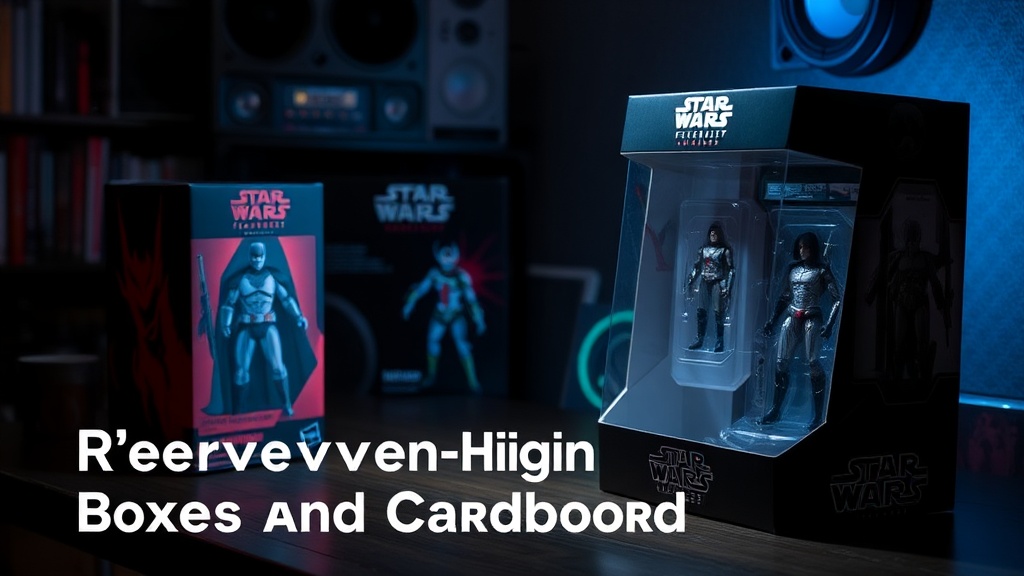
Preserving High-End Action Figure Boxes and Cardboard

Protecting the Integrity of Your Collectible Packaging
Imagine opening a long-awaited shipment of a limited-edition Star Wars Black Series figure, only to find the top flap of the box crushed or a corner dented. It's a gut-wrenching moment for any serious collector. While many focus solely on the figure inside, the packaging is often what dictates the long-term resale value and the visual appeal of a collection. A pristine box isn't just a container; it's a part of the collectible itself. This guide covers how to prevent physical damage, environmental degradation, and structural failure to keep your cardboard in top shape.
A collector's biggest enemies are often invisible. Sunlight, humidity, and even the way you stack your items can lead to permanent damage that's impossible to reverse. Whether you're dealing with vintage Kenner packaging or modern high-end imports, understanding the physics of cardboard preservation is a must-know skill.
How do you prevent corner dings and box crushing?
The most frequent type of damage is physical impact—the dreaded corner ding or the crushed top flap. This usually happens during shipping or improper storage. To fight this, you shouldn't rely on the manufacturer's flimsy cardboard alone. Many collectors use heavy-duty acrylic protectors or specialized plastic-coated inserts to provide a rigid skeleton for the box.
When stacking boxes on a shelf, never place heavy items on top of lighter ones. If you're building a tall stack of boxed figures, the weight of the upper layers will eventually compress the bottom boxes, leading to a crushed appearance. A better method is to use individual dividers or to keep the items in a single, shallow layer. If you're shipping items you've sold, don't skimp on the bubble wrap or the corrugated cardboard buffers. A sturdy box is your first line of defense against the rough handling of postal workers.
- Use rigid plastic protectors for single items.
- Avoid stacking more than three heavy boxes high.
- Ensure your storage bins are sized correctly so the lid doesn't press directly onto the boxes.
Does sunlight damage the colors on my packaging?
Light is a silent killer of color. If you've ever seen a vintage Disney figure with a faded, pale-looking box, you've seen the effects of UV exposure. Direct sunlight or even strong indoor lighting can cause the inks on the cardboard to fade or even turn yellow over time. This isn't just an aesthetic issue; it's a structural one, as UV rays can break down the fibers in the paper.
The best way to combat this is by controlling your environment. If your collection is in a room with large windows, ensure you have UV-filtering film on the glass or use blackout curtains. If you use LED lighting for your display shelves, make sure they are rated for low UV output. For the highest level of protection, many collectors opt for closed display cases rather than open shelving. This provides a barrier against both light and dust. You can learn more about the long-term effects of light exposure through archival standards at the Library of Congress website, which offers great insights into document and paper preservation.
It's also worth noting that some modern packaging uses certain types of glues and finishes that react poorly to heat. If your display area gets too warm, the adhesives might start to fail, causing the box to peel or the window flap to sag. Keeping a consistent temperature is the best way to avoid these issues.
Can humidity affect the condition of collectible boxes?
Humidity is a major factor that many people overlook until it's too late. High humidity levels can cause cardboard to soften and lose its structural integrity, often leading to a "wavy" appearance. In extreme cases, moisture can even lead to mold or mildew growth on the packaging. This is especially common with vintage items that may have older, more porous materials.
To maintain a safe environment, aim for a stable relative humidity (RH) level, ideally between 40% and 50%. If you live in a humid climate, a dedicated dehumidifier for your collection room is a smart investment. You can monitor the air quality using a simple hygrometer to ensure your figures aren't sitting in a damp environment. For more technical information on how humidity affects paper and organic materials, the Library of Congress preservation guides are a gold standard for understanding these environmental variables.
If you're storing your collectibles in plastic bins, be careful. While it seems like a good idea to seal them, airtight containers can actually trap moisture inside if the air was humid when you closed the lid. This can create a microclimate that accelerates decay. It's better to include silica gel packets inside the bins to absorb any leftover moisture, but even then, you should check them periodically to ensure they haven't become saturated.
Practical Steps for Long-Term Storage
Once you've addressed the environment and the physical stacking, you need a routine. Check your collection every few months for any signs of wear. Look for yellowing, softness in the cardboard, or any discoloration in the window plastic. If you notice the window on a figure's box is becoming cloudy, it might be a sign of chemical breakdown or a reaction to the air.
One trick many collectors use is to use "backing boards"—thin pieces of stiff cardstock—inside the box to help it maintain its shape. This is a common practice in the comic book community, but it works wonders for action figure boxes too. Just ensure the board doesn't put too much pressure on the figure inside, as you don't want to bend the plastic or the figure's limbs.
| Threat | Solution | Result |
|---|---|---|
| UV Light | UV-filtered cases/Curtains | Prevents color fading |
| Humidity | Dehumidifier/Silica Gel | Prevents mold and warping |
| Physical Impact | Acrylic Protectors | Prevents crushed corners |
| Stacking Weight | Single-layer display | Maintains box shape |
Maintaining a collection is a marathon, not a sprint. The effort you put into protecting the packaging today will pay off years down the line when you decide to sell or simply want to look back on a pristine collection. It's about respect for the item and the work that went into creating it.